
Avocado
Persea americana
A stone fruit with a creamy texture that grows in warm climates. It is unique among fruits because it is high in healthy fats rather than sugar.
Nutrient Profile
Health Benefits
Cholesterol Management
Oleic acid (monounsaturated fat) helps lower LDL (bad) cholesterol levels.
Nutrient Absorption
Eating avocado with other vegetables helps the body absorb fat-soluble vitamins like A, D, E, and K.
Skin Vitality
High in Vitamin E and antioxidants that support skin repair and hydration.
Preparation Guide
Whole, fresh avocado is preferred for maximum nutrient density and fiber retention.
Best For: Maximizing nutrient absorption and digestibility
Alternative Usage
Best For: General health maintenance
Therapeutic Recipes
Lipid-Carrier Nutrient Boost
A monounsaturated fat preparation designed to act as a transport vehicle for fat-soluble vitamins.
Clinical Focus
Optimizes the bioavailability of carotenoids and curcuminoids through healthy lipid pairing.
Mash avocado into a creamy base to release healthy monounsaturated fats.
Fold in finely chopped fresh spinach and spices.
Pairing piperine (black pepper) with avocado fats boosts nutrient transport.
Use as a functional spread for nutrient-dense cellular support.
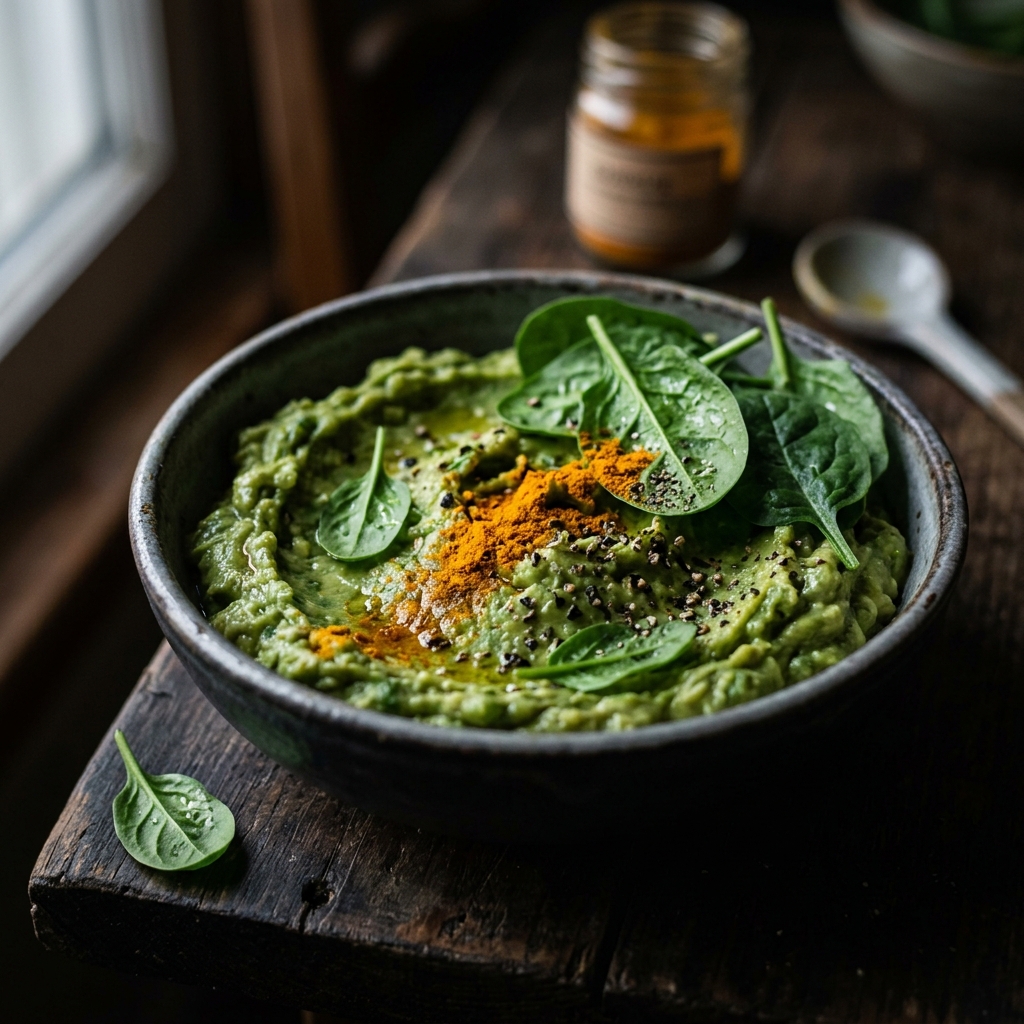
Clinical Ingredients
- 1 Ripe Avocado
- 1 cup Spinach
- 1/2 tsp Turmeric
- 1 tsp Black Pepper
Therapeutic Focus
Optimizes the bioavailability of carotenoids and curcuminoids through healthy lipid pairing.
Sourcing & Preparation
Clinical Grade Equipment


* As an Amazon Associate I earn from qualifying purchases. See our full disclosure.
Scientific Analysis & Clinical Insights
ABSTRACT
Recent study: Avocado consumption and cognitive health: Refining expectations for single-food dietary interventions.
Significant reduction in triglycerides and total-C
Improved insulin sensitivity and glucose balance
Reduction in markers of systemic inflammation
Optimized dietary intake of heart-healthy fats
CLINICAL SPECS
Extensive clinical support for avocado as a functional heart-health fruit.
foodDetail.researchDisclaimer
Frequently Asked Questions about Avocado
Is avocado good for cholesterol management?
Yes, avocado is excellent for cholesterol management. Oleic acid (monounsaturated fat) helps lower LDL (bad) cholesterol levels.
Can I eat avocado every day?
Yes, incorporating avocado into your daily diet is generally considered safe and highly beneficial. Avocado provides a consistent source of essential nutrients and bioactive compounds that su
What is the healthiest way to eat avocado?
The healthiest way to consume avocado is often raw/sliced, which is toast, salads, and sandwiches.
Who should avoid avocado?
While avocado is safe for most people, those with specific food allergies or medical conditions should always consult with a healthcare professional or nutritionist before making significant