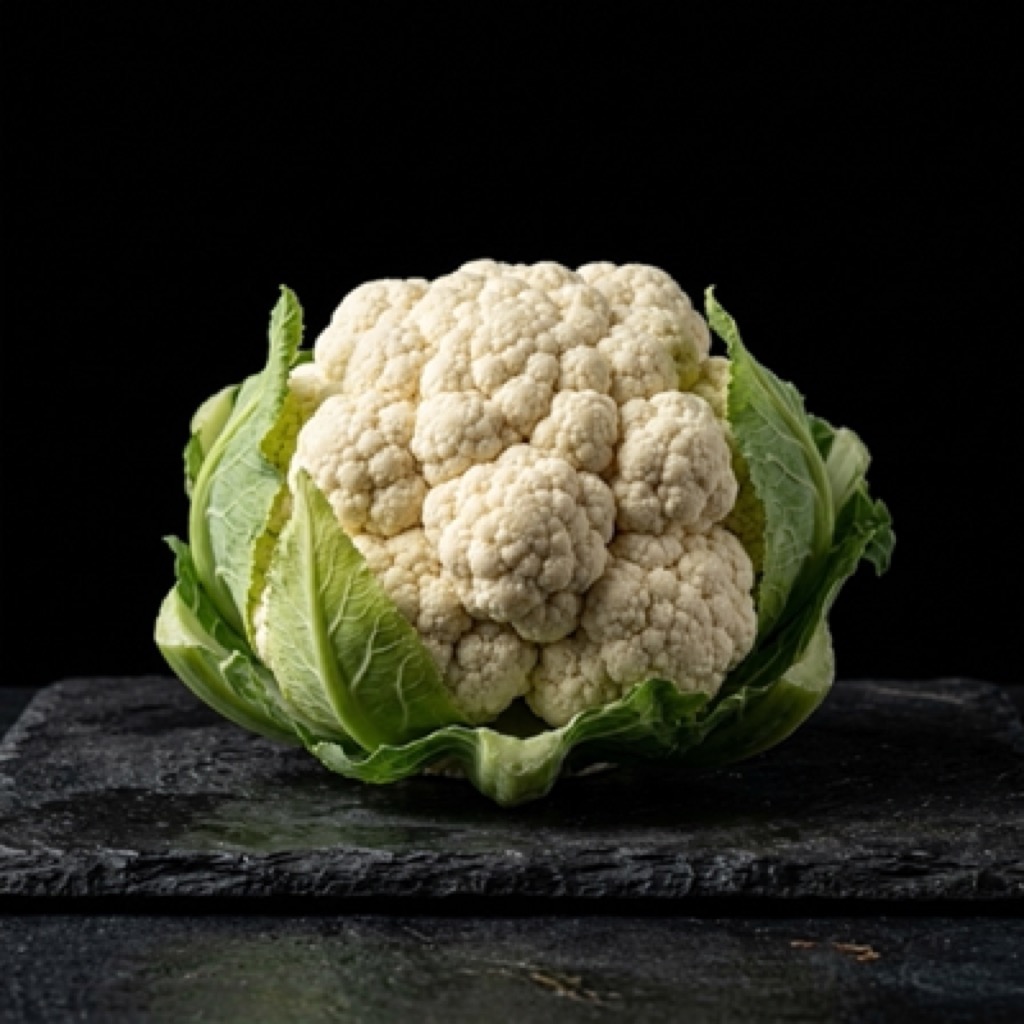
Cauliflower
Brassica oleracea var. botrytis
A versatile cruciferous vegetable known for its dense white head. It is an excellent low-calorie alternative to grains and legumes.
Nutrient Profile
Health Benefits
Brain Development
One of the best sources of Choline, a nutrient essential for mood regulation, memory, and DNA synthesis.
Cellular Preservation
Contains sulforaphane and glucosinolates, which help the body eliminate toxins and reduce cancer risk.
Digestive Cleanse
The high water and fiber content support a healthy digestive tract and reduce the risk of constipation.
Preparation Guide
Whole, fresh cauliflower is preferred for maximum nutrient density and fiber retention.
Best For: Maximizing nutrient absorption and digestibility
Alternative Usage
Best For: General health maintenance
Therapeutic Recipes
Sulforaphane-Preserved 'Rice'
A low-glycemic, cruciferous base that maximizes the availability of hepatic-protective glucosinolates.
Clinical Focus
Optimizes the delivery of sulforaphane for Phase II liver detoxification and systemic DNA protection.
Pulse raw cauliflower in a food processor until it reaches a rice-like consistency.
Lightly steam or sautée for only 3-5 minutes; overcooking destroys the heat-sensitive myrosinase enzyme.
Stir in turmeric and black pepper immediately after removing from heat.
Serve as a metabolic alternative to starch-heavy grains.
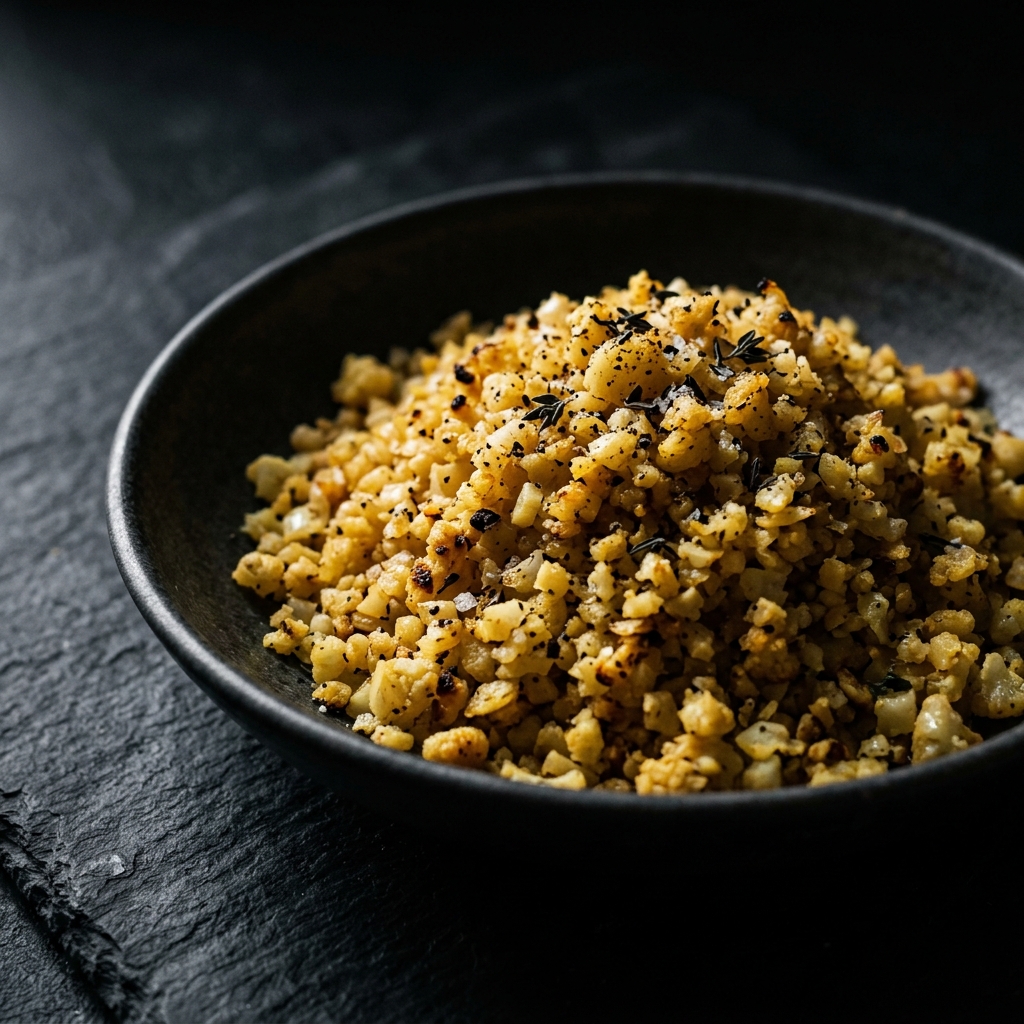
Clinical Ingredients
- 1 Head of White Cauliflower
- 1 tbsp Cold-Pressed Avocado Oil
- 1/2 tsp Turmeric Powder
- 1 pinch Black Pepper (to activate turmeric)
Therapeutic Focus
Optimizes the delivery of sulforaphane for Phase II liver detoxification and systemic DNA protection.
Sourcing & Preparation
Clinical Grade Equipment


* As an Amazon Associate I earn from qualifying purchases. See our full disclosure.
Scientific Analysis & Clinical Insights
ABSTRACT
A comprehensive review confirms that sulforaphane-rich cruciferous vegetables like cauliflower protect against cellular DNA damage and oxidative stress.
Inhibition of phase I enzymes and activation of phase II
Improved markers of liver detoxification
Reduction in systemic lipid peroxidation
Verified status for DNA protection
CLINICAL SPECS
Cruciferous bioactives are validated for cellular defense and chemoprevention.
foodDetail.researchDisclaimer
Frequently Asked Questions about Cauliflower
Is cauliflower good for brain development?
Yes, cauliflower is excellent for brain development. One of the best sources of Choline, a nutrient essential for mood regulation, memory, and DNA synthesis.
Can I eat cauliflower every day?
Yes, incorporating cauliflower into your daily diet is generally considered safe and highly beneficial. Cauliflower provides a consistent source of essential nutrients and bioactive compounds
What is the healthiest way to eat cauliflower?
The healthiest way to consume cauliflower is often roasted whole, which is a striking center-piece dish; the nutty flavor intensifies when the florets are browned.
Who should avoid cauliflower?
While cauliflower is safe for most people, those with specific food allergies or medical conditions should always consult with a healthcare professional or nutritionist before making signific