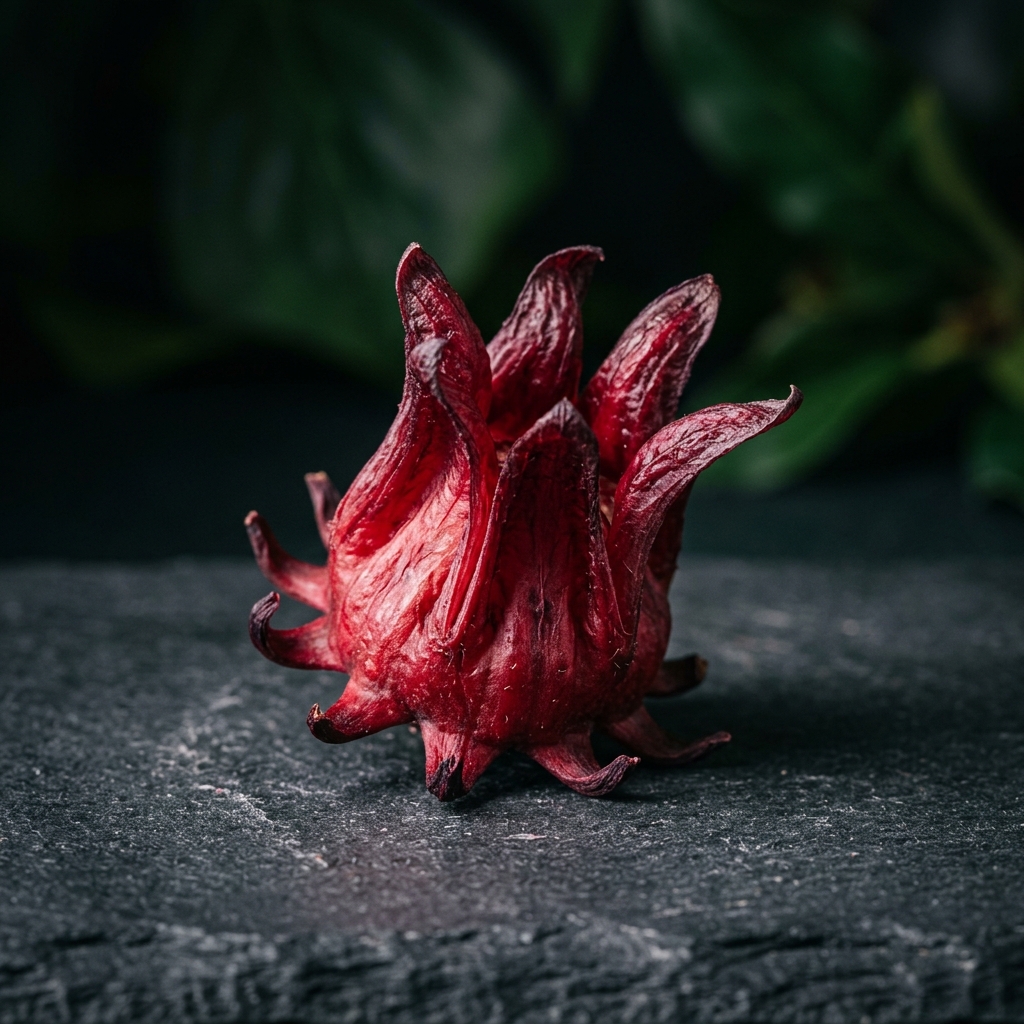
Hibiscus
Hibiscus sabdariffa
A vibrant tropical flower known for its deep crimson petals and high concentration of organic acids and anthocyanins. It is one of the most potent natural botanicals for managing hypertension
Nutrient Profile
Health Benefits
Blood Pressure
Anthocyanins inhibit the ACE enzyme, similar to standard BP medications, helping to relax blood vessels.
Metabolic Balance
Organic acids help regulate lipid metabolism and reduce the accumulation of fatty deposits in the liver.
Kidney Health
Acts as a gentle natural diuretic, assisting the kidneys in flushing excess sodium and preventing stones.
Preparation Guide
Whole, fresh hibiscus is preferred for maximum nutrient density and fiber retention.
Best For: Maximizing nutrient absorption and digestibility
Alternative Usage
Best For: General health maintenance
Therapeutic Recipes
Arterial Fluidity Infusion
A tart red tea targeting the ACE enzyme for blood pressure.
Clinical Focus
Naturally inhibits the ACE enzyme to relax blood vessels.
Steep flowers and cinnamon in hot water for 10 minutes.
The liquid should be a deep, vibrant red.
Drink hot or iced for cardiovascular support.
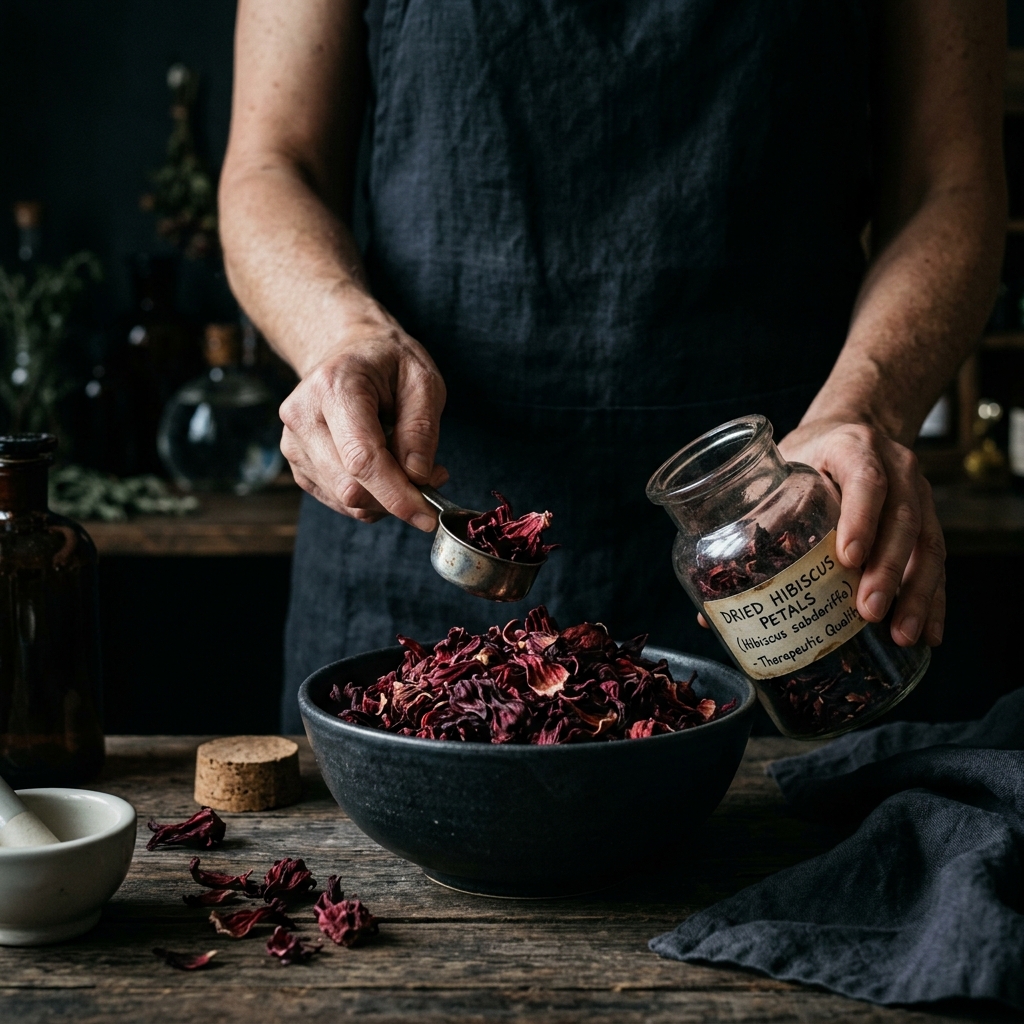
Clinical Ingredients
- 2 tbsp Dried Hibiscus Flowers
- 1 cup Hot Water
- 1 serving Cinnamon Stick
Therapeutic Focus
Naturally inhibits the ACE enzyme to relax blood vessels.
Sourcing & Preparation
Clinical Grade Equipment

* As an Amazon Associate I earn from qualifying purchases. See our full disclosure.
Scientific Analysis & Clinical Insights
ABSTRACT
This systematic review and meta-analysis of clinical trials confirms that Hibiscus sabdariffa significantly reduces both systolic and diastolic blood pressure as well as cardiometabolic marke
Clinically significant reduction in mean blood pressure (-7.5 mmHg systolic)
Improvement in fasting blood glucose and lipid profiles
Direct inhibitory effect on ACE enzyme pathways
Verified efficacy as a natural adjunct for hypertensive management
CLINICAL SPECS
Robust evidence for hibiscus in cardiovascular and metabolic defense.
foodDetail.researchDisclaimer
Frequently Asked Questions about Hibiscus
Are hibiscus good for blood pressure?
Yes, hibiscus are excellent for blood pressure. Anthocyanins inhibit the ACE enzyme, similar to standard BP medications, helping to relax blood vessels.
Can I eat hibiscus every day?
Yes, incorporating hibiscus into your daily diet is generally considered safe and highly beneficial. Hibiscus provide a consistent source of essential nutrients and bioactive compounds that s
What is the healthiest way to eat hibiscus?
The healthiest way to consume hibiscus is often hot infusion, which is rapidly extracting the vitamin c and organic acids; known globally as 'sorrel' or 'zobo'.
Who should avoid hibiscus?
While hibiscus are safe for most people, those with specific food allergies or medical conditions should always consult with a healthcare professional or nutritionist before making significan