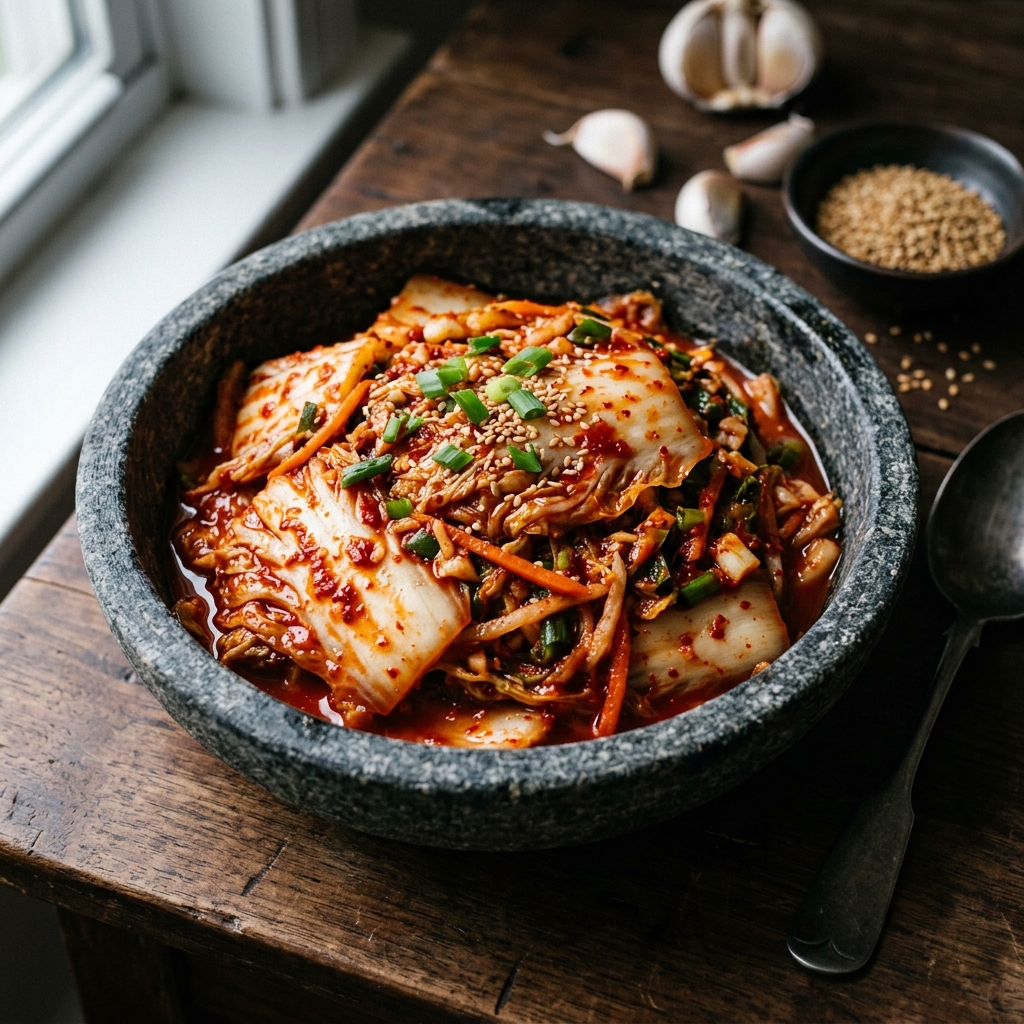
Kimchi
Brassica rapa pekinensis (Fermented)
A traditional Korean staple made from salted and fermented vegetables. It is a probiotic powerhouse that undergoes 'Lacto-fermentation,' creating a unique profile of organic acids and benefic
Nutrient Profile
Health Benefits
Metabolic Health
Fermented compounds improve insulin sensitivity and are clinically associated with lower abdominal obesity risk.
Gut-Brain Axis
The high density of live cultures supports neurotransmitter production and reduces systemic neuroinflammation.
Immune Modulation
Increases the activity of natural killer (NK) cells and supports the intestinal mucosal barrier.
Preparation Guide
Unpasteurized, refrigerated versions are mandatory for probiotic benefits.
Best For: Maximizing nutrient absorption and digestibility
Alternative Usage
Best For: General health maintenance
Therapeutic Recipes
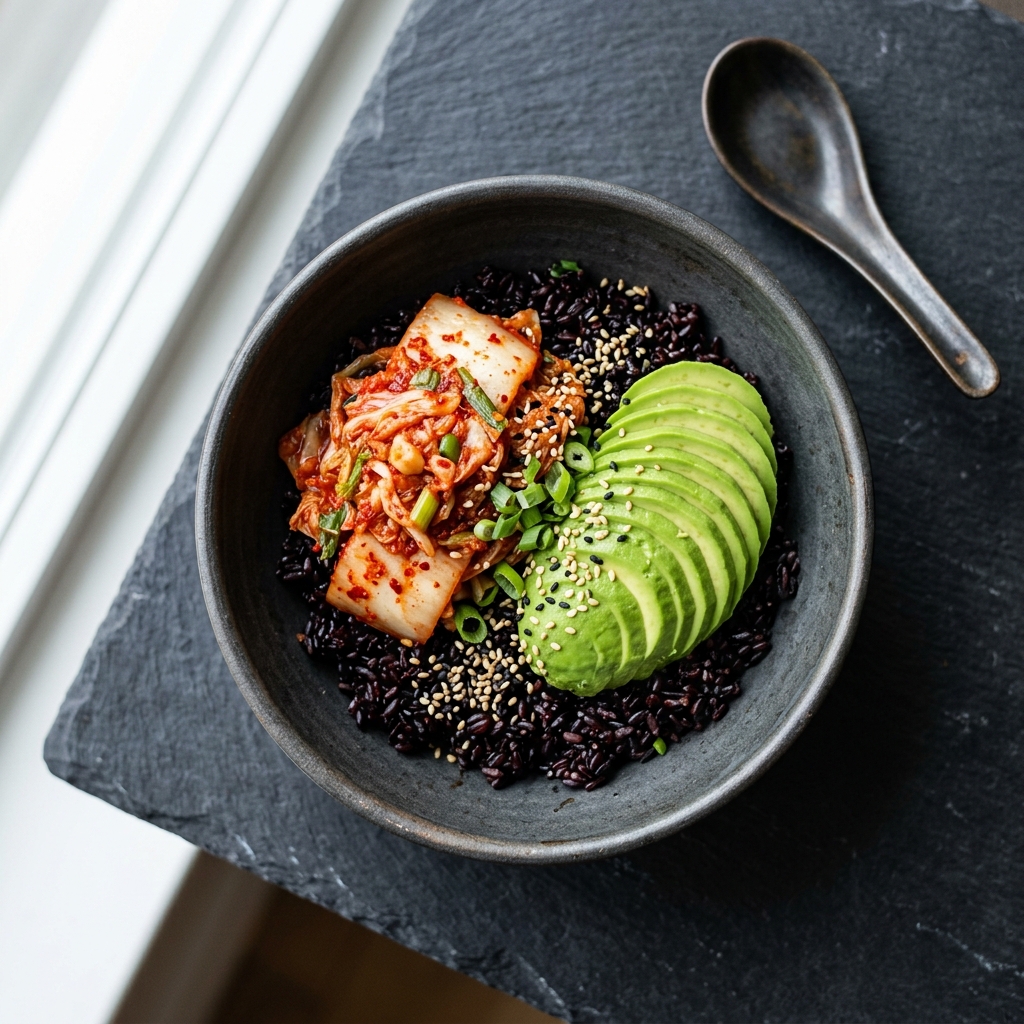
Microbiome Diversity Bowl
A raw preparation designed to deliver a high-potency dose of live cultures alongside resistant starch.
Clinical Focus
Optimizes the gut-metabolic axis by combining live probiotics with prebiotic resistant starch.
Ensure black rice is cooked and then chilled for 12 hours to maximize resistant starch.
Top the rice with fresh, unpasteurized kimchi (do not heat).
Add avocado for healthy lipids to assist in the absorption of Vitamin K2.
Garnish with sesame seeds for added zinc and structural texture.
Clinical Ingredients
- 1/2 cup Organic Baechu Kimchi
- 1 cup Chilled Black Rice (Resistant Starch)
- 1/2 Avocado
- 1 tsp Toasted Sesame Seeds
Therapeutic Focus
Optimizes the gut-metabolic axis by combining live probiotics with prebiotic resistant starch.
Sourcing & Preparation
Clinical Grade Equipment


* As an Amazon Associate I earn from qualifying purchases. See our full disclosure.
Scientific Analysis & Clinical Insights
ABSTRACT
Recent study: Isolation and Mechanistic Characterization of Pediococcus pentosaceus WQ-30 from Kimchi for Efficient In Vitro Purine Nucleoside Degradation Relevant to Hyperuricemia.
11% lower prevalence of obesity in men consuming 1-3 servings/day
Significant reduction in abdominal obesity markers
Specific benefits linked to cabbage-based (Baechu) kimchi
Probiotic-driven metabolic modulation verified at scale
CLINICAL SPECS
Establishes Kimchi as a primary dietary intervention for metabolic syndrome management.
foodDetail.researchDisclaimer
Frequently Asked Questions about Kimchi
Is kimchi good for weight loss?
Yes, clinical evidence suggests that the fermentation byproducts and probiotics in kimchi help regulate metabolism and reduce abdominal fat accumulation.
Does cooking kimchi kill the probiotics?
Yes, high heat (above 115°F) will kill most live probiotics. However, the organic acids and fibers remain beneficial for the gut even after cooking.
Can I eat kimchi every day?
Yes, incorporating kimchi into your daily diet is generally considered safe and highly beneficial. Kimchi provides a consistent source of essential nutrients and bioactive compounds that supp
What is the healthiest way to eat kimchi?
The healthiest way to consume kimchi is often raw / unpasteurized, which is maximum probiotic delivery; look for 'bubbles' indicating active fermentation.
Who should avoid kimchi?
While kimchi is safe for most people, those with specific food allergies or medical conditions should always consult with a healthcare professional or nutritionist before making significant d