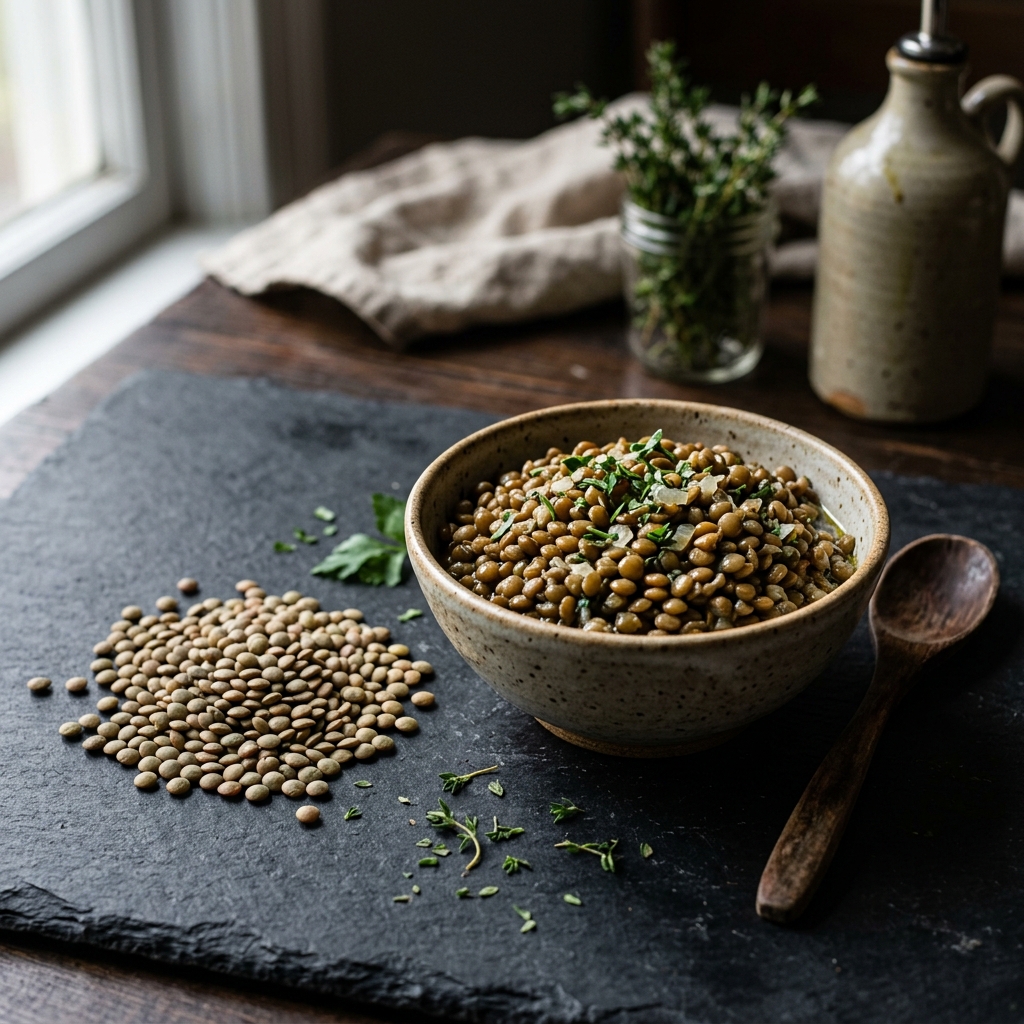
Lentils
Lens culinaris
A lens-shaped legume that is a staple in many global diets. It is one of the oldest cultivated crops in the world and an excellent protein source.
Nutrient Profile
Health Benefits
Blood Health
Rich in non-heme iron and folate, which are crucial for the formation of healthy red blood cells.
Heart Disease Prevention
High fiber and polyphenol levels are linked to reduced blood pressure and improved lipid profiles.
Steady Energy
A complex carbohydrate that provides a slow and steady release of glucose into the bloodstream.
Preparation Guide
Whole, fresh lentils is preferred for maximum nutrient density and fiber retention.
Best For: Maximizing nutrient absorption and digestibility
Alternative Usage
Best For: General health maintenance
Therapeutic Recipes
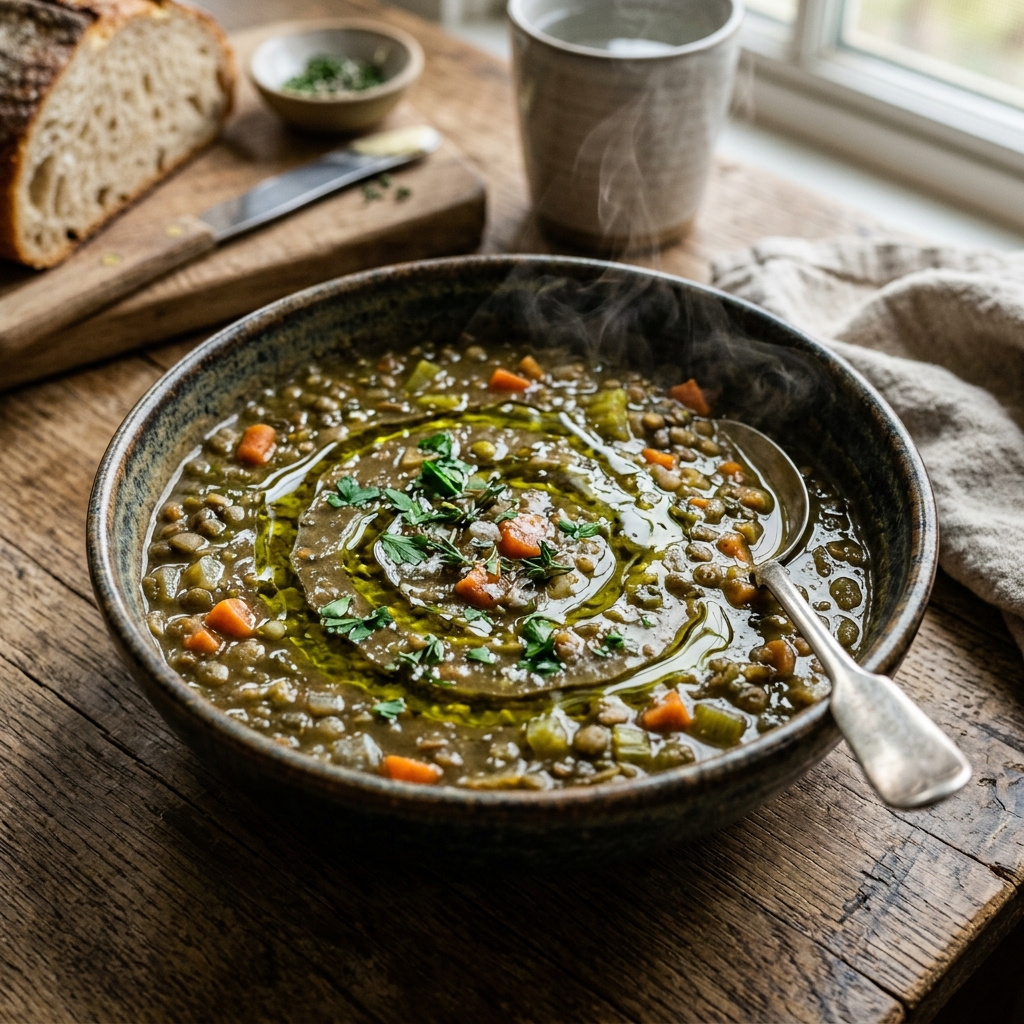
Vascular Lentil Stew
A comforting, nutrient-dense soup that pairs lentils with anti-inflammatory spices to maximize vascular support.
Clinical Focus
Focuses on fiber delivery and systemic inflammation reduction.
Rinse lentils thoroughly and place in a pot with 3 cups of water.
Add the carrot, turmeric, and ginger.
Simmer for 20-25 minutes until lentils are tender but still hold their shape.
Stir in the olive oil just before serving to preserve its healthy phenols.
Season with a pinch of sea salt and black pepper (to activate the turmeric).
Clinical Ingredients
- 1 cup Green or Brown Lentils
- 1 Diced Carrot
- 1 tsp Ground Turmeric
- 1/2 inch Fresh Ginger (grated)
- 1 tbsp Extra Virgin Olive Oil
Therapeutic Focus
Focuses on fiber delivery and systemic inflammation reduction.
Sourcing & Preparation
Clinical Grade Equipment


* As an Amazon Associate I earn from qualifying purchases. See our full disclosure.
Scientific Analysis & Clinical Insights
ABSTRACT
Recent study: Effect of solid-state fermentation on protein content, amino acid digestibility and anti-nutritional components of common beans, lentils and chickpeas.
Significant reduction in total and LDL cholesterol
Improved postprandial glucose stability
Reduction in markers of systemic inflammation
High-fidelity evidence for metabolic health
CLINICAL SPECS
Verified evidence for Lentils as a primary lipid-lowering legume.
foodDetail.researchDisclaimer
Frequently Asked Questions about Lentils
Are lentils good for blood health?
Yes, lentils are excellent for blood health. Rich in non-heme iron and folate, which are crucial for the formation of healthy red blood cells.
Can I eat lentils every day?
Yes, incorporating lentils into your daily diet is generally considered safe and highly beneficial. Lentils provide a consistent source of essential nutrients and bioactive compounds that sup
What is the healthiest way to eat lentils?
The healthiest way to consume lentils is often boiled / stewed, which is standard preparation; lentils cook much faster than other beans and don't require soaking.
Who should avoid lentils?
While lentils are safe for most people, those with specific food allergies or medical conditions should always consult with a healthcare professional or nutritionist before making significant