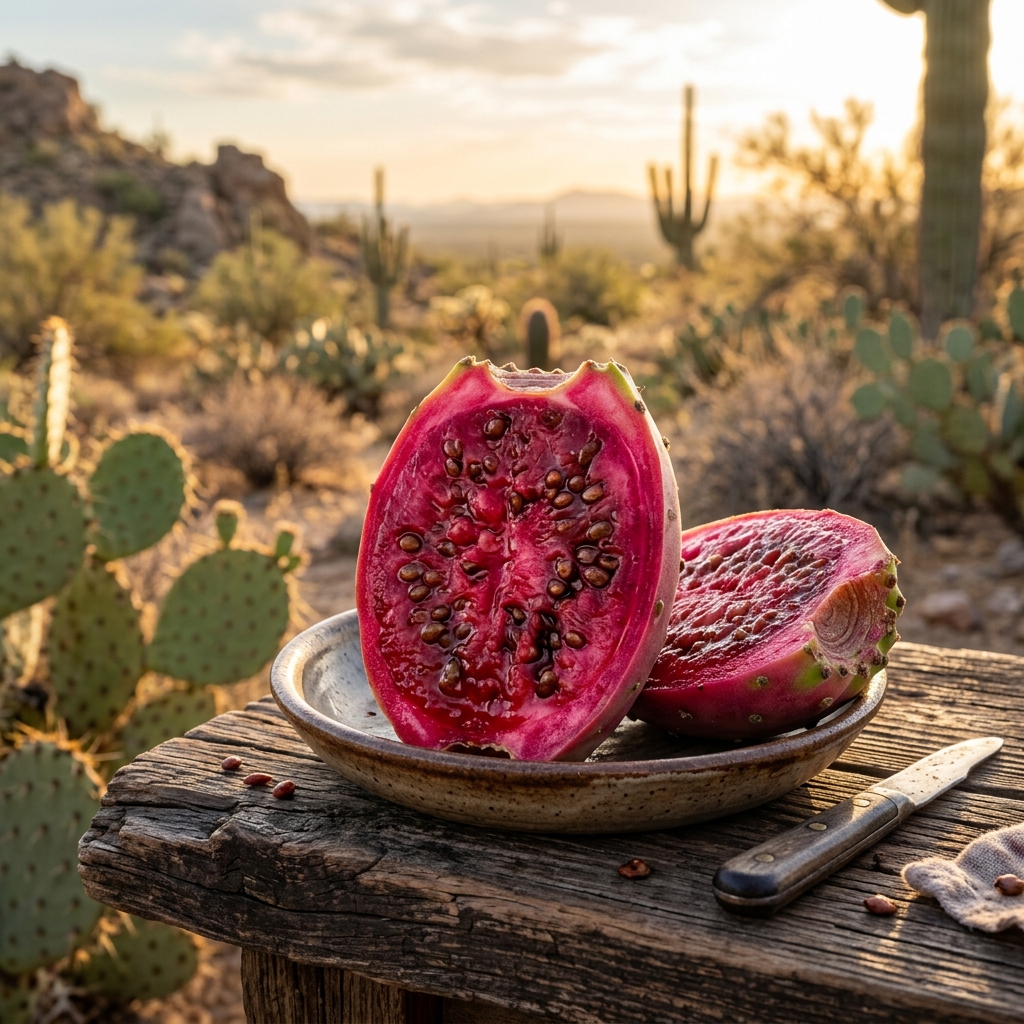
Prickly Pear (Tuna)
Opuntia ficus-indica
The fruit of the Opuntia cactus, known for its vibrant pink flesh and sweet, melon-like flavor. Prickly pear is a rare dietary source of betalains—powerful nitrogen-containing pigments that p
Nutrient Profile
Health Benefits
Liver Detoxification
Betalains support the liver's Phase II detoxification pathways and protect against alcohol-induced oxidative stress.
Glycemic Modulation
High soluble fiber content helps slow the absorption of sugar, improving post-prandial glucose levels.
Anti-Inflammatory
Significantly reduces markers of systemic inflammation, such as C-reactive protein (CRP).
Preparation Guide
Raw / Peeled
Best For: Eating fresh as a hydrating snack; be careful to remove all glochids (tiny spines).
Juiced / Puréed
Best For: Creating vibrant, antioxidant-rich bases for smoothies or functional cocktails.
Therapeutic Recipes
Desert Glow Cooler
A refreshing, anti-inflammatory beverage that highlights the vibrant pigments of the prickly pear.
Clinical Focus
Synergistic hydration and betalain delivery for systemic recovery.
Combine prickly pear juice with coconut water and lime.
Serve over ice and garnish with mint.
The electrolytes in coconut water work synergistically with the cactus minerals.
Drink to support recovery and hydration.

Clinical Ingredients
- 2 Prickly Pears (peeled and juiced)
- 1 cup Coconut Water
- 1 squeeze Fresh Lime
- 1 sprig Fresh Mint
Therapeutic Focus
Synergistic hydration and betalain delivery for systemic recovery.
Sourcing & Preparation
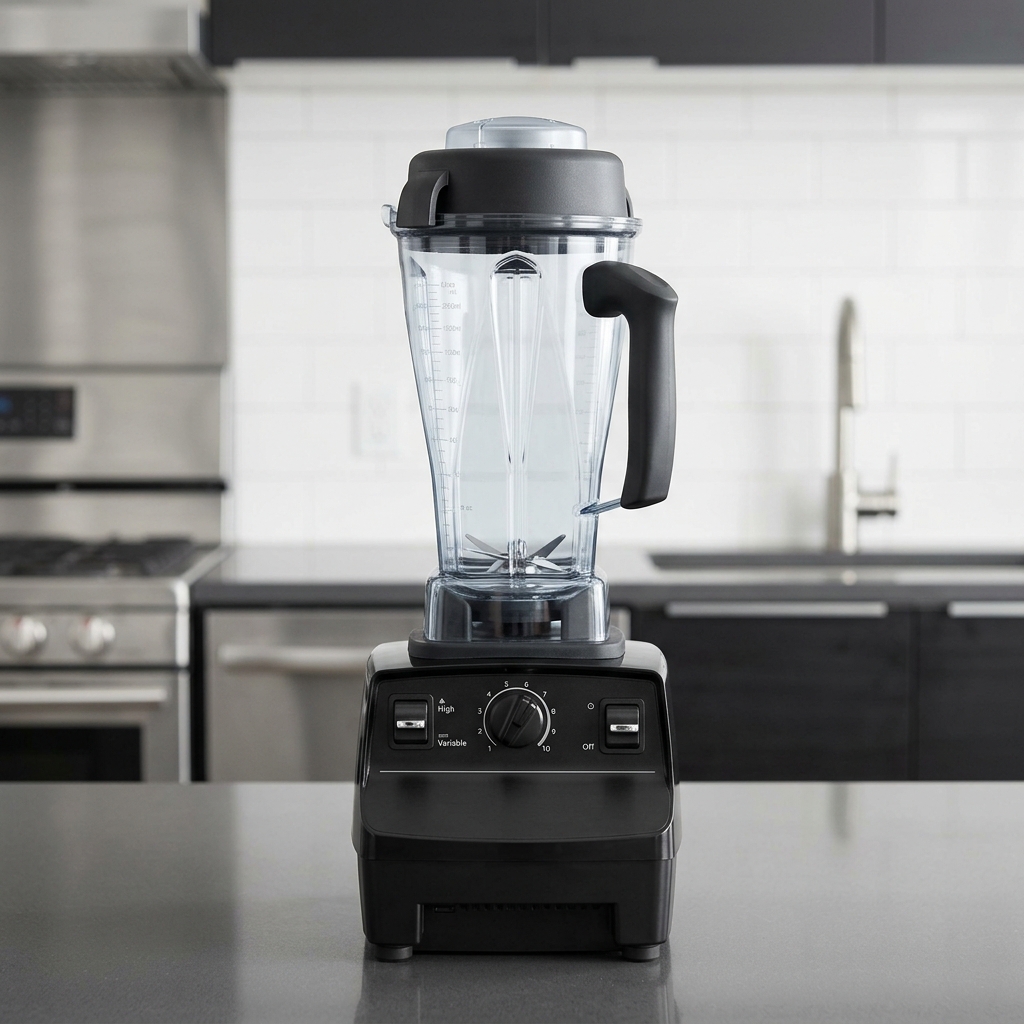
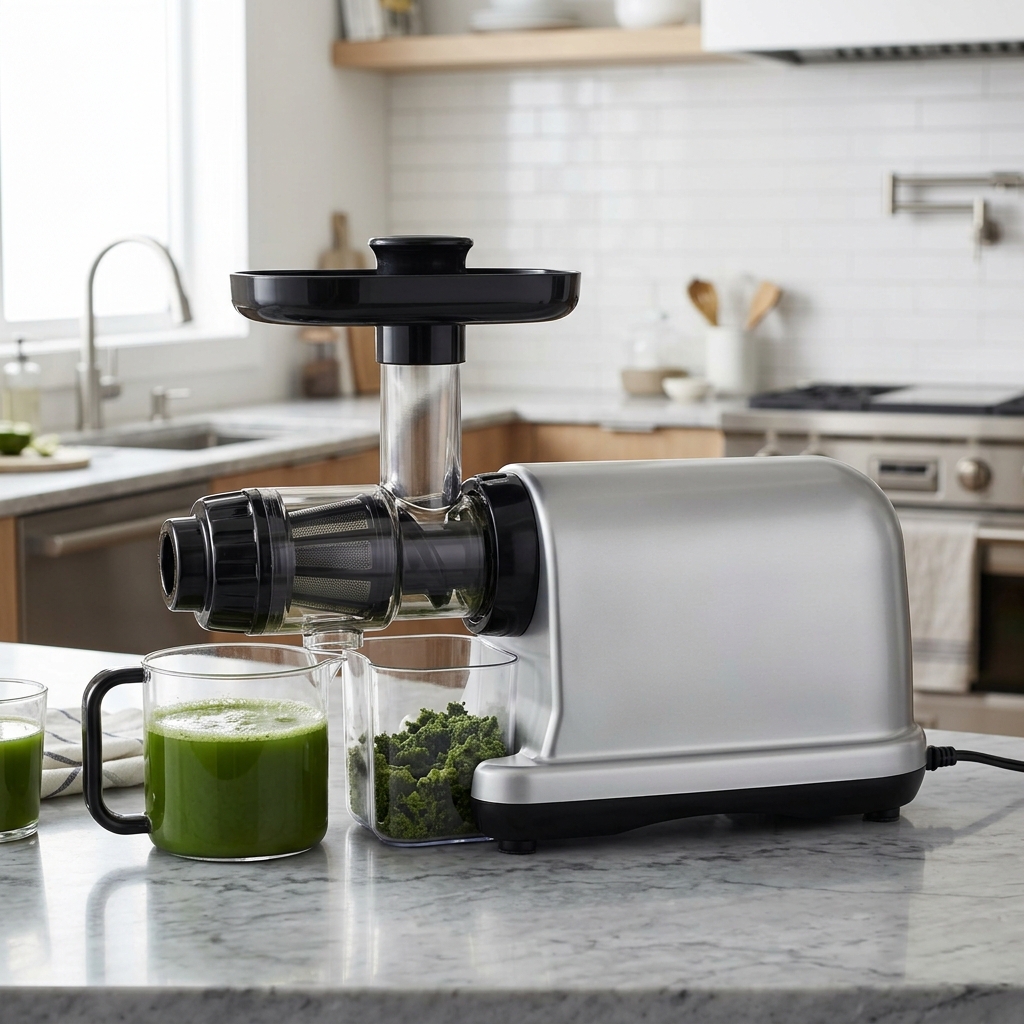
Clinical Grade Equipment
* As an Amazon Associate I earn from qualifying purchases. See our full disclosure.
Scientific Analysis & Clinical Insights
ABSTRACT
This systematic review outlines the clinical efficacy of Prickly Pear in managing blood glucose and protecting the liver from oxidative damage via its unique betalain content.
Clinically significant reduction in blood glucose levels
Marked hepatoprotective properties
Reduces markers of chronic inflammation (CRP, TNF-alpha)
High antioxidant capacity in the gastrointestinal tract
CLINICAL SPECS
Establishes Prickly Pear as a primary functional food for metabolic and hepatic health.
foodDetail.researchDisclaimer
Frequently Asked Questions about Prickly Pear (Tuna)
Are the seeds edible?
Yes, the seeds are edible but very hard; most people choose to swallow them whole or juice the fruit and strain them.
How do I peel it safely?
Use a fork to hold the fruit and a knife to slice off the ends, then cut a slit down the side and peel the skin back.