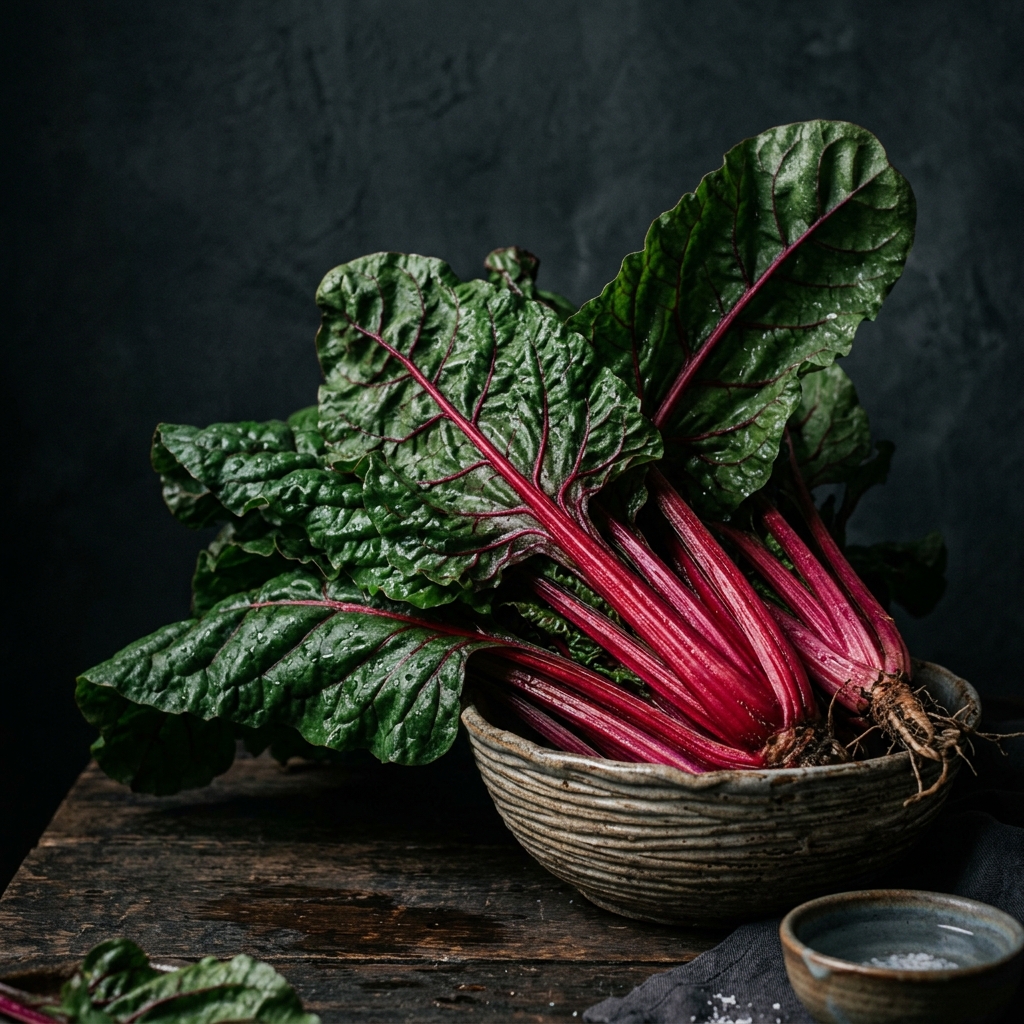
Swiss Chard
Beta vulgaris subsp. cicla
A nutrient-dense leafy green with vibrant, multicolored stalks. It is exceptionally rich in Vitamin K, magnesium, and unique betalain pigments that support bone health and metabolic stability
Nutrient Profile
Health Benefits
Bone Health
Exceptional Vitamin K1 content essential for bone mineral density and osteocalcin activation.
Metabolic Support
Rich in syringic acid, which has been shown to inhibit alpha-glucosidase and stabilize blood sugar.
Antioxidant Defense
Contains unique betalain pigments that support phase II detoxification pathways.
Preparation Guide
Lightly steamed or massaged raw leaves are best for nutrient bioavailability.
Best For: Maximizing nutrient absorption and digestibility
Alternative Usage
Best For: Can be blended into smoothies for high-density nutrient delivery.
Therapeutic Recipes
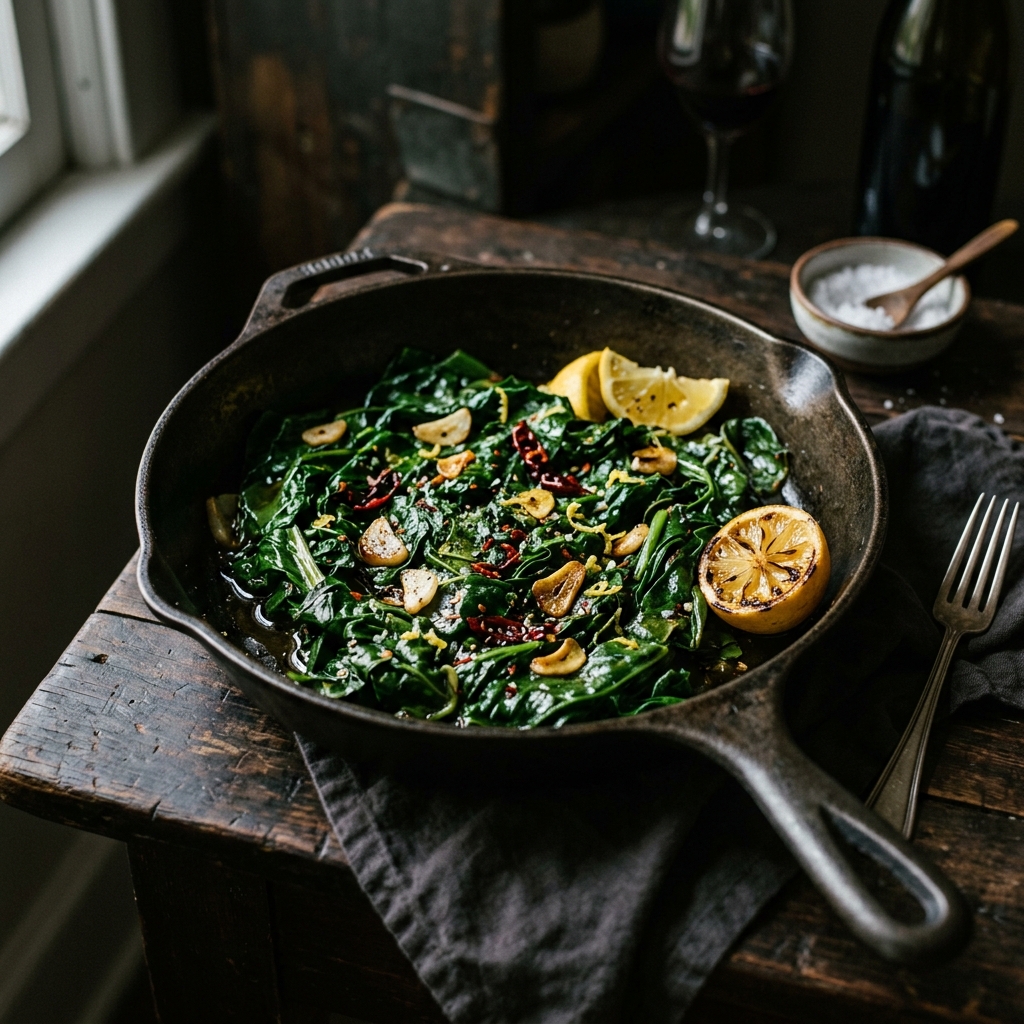
Vitamin K Bone-Density Braise
A quick braise that maximizes the bioavailability of fat-soluble Vitamin K through healthy lipid pairing.
Clinical Focus
Optimizes Vitamin K1 delivery with healthy fats for skeletal integrity and cardiovascular health.
Separate stalks from leaves; chop both into 1-inch pieces.
Sauté stalks and garlic in olive oil for 3 minutes until slightly soft.
Add leaves and braise for 2-3 minutes until just wilted.
Finish with lemon to enhance mineral absorption and brighten flavor.
Clinical Ingredients
- 1 bunch Swiss Chard
- 2 cloves Garlic
- 1 tbsp Extra Virgin Olive Oil
- 1 serving Squeeze of Lemon
Therapeutic Focus
Optimizes Vitamin K1 delivery with healthy fats for skeletal integrity and cardiovascular health.
Sourcing & Preparation
Clinical Grade Equipment

* As an Amazon Associate I earn from qualifying purchases. See our full disclosure.
Scientific Analysis & Clinical Insights
ABSTRACT
Clinical studies highlight the high concentration of bioactive syringic acid and flavonoids in Swiss chard, which contribute to its potent antioxidant and antidiabetic properties.
Inhibition of carbohydrate-digesting enzymes
Significant reduction in markers of oxidative stress
High bioavailability of magnesium and potassium
Demonstrated hepatoprotective and hypolipidemic activity
CLINICAL SPECS
Verified evidence for Swiss chard as a metabolic and skeletal functional food.
foodDetail.researchDisclaimer
Frequently Asked Questions about Swiss Chard
Is swiss chard good for bone health?
Yes, swiss chard is excellent for bone health. Exceptional Vitamin K1 content essential for bone mineral density and osteocalcin activation.
Can I eat swiss chard every day?
Yes, incorporating swiss chard into your daily diet is generally considered safe and highly beneficial. Swiss Chard provides a consistent source of essential nutrients and bioactive compounds
What is the healthiest way to eat swiss chard?
The healthiest way to consume swiss chard is often braised, which is softening the fibrous stalks while maintaining the integrity of minerals.
Who should avoid swiss chard?
While swiss chard is safe for most people, those with specific food allergies or medical conditions should always consult with a healthcare professional or nutritionist before making signific