The Hydrophilic Matrix: Beyond Fiber
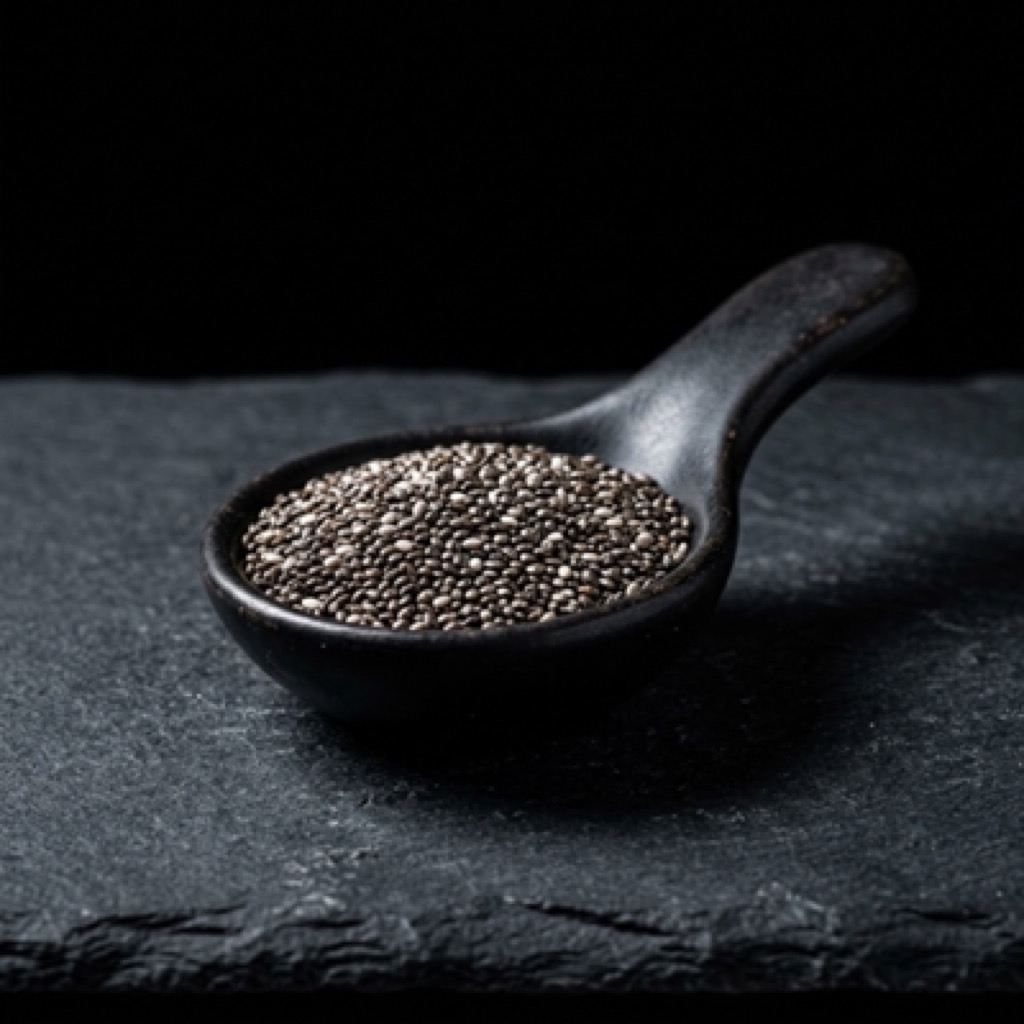
Chia seeds are renowned for their ability to absorb up to 12 times their weight in water, creating a thick, mucilaginous gel. In the digestive tract, this hydrophilic matrix serves a dual pur
Second, the mucilage serves as a protective coating for the intestinal lining. This gel-like barrier can help soothe inflammation in the gut and prevent the passage of toxins through the inte
Omega-3 Density & Microbiome Fuel
Chia seeds are also one of the richest plant sources of ALA (Alpha-Linolenic Acid). These omega-3 fatty acids work in tandem with the seeds' prebiotic fiber to nourish a diverse microbiome. T
The structural gel of the chia seed represents a rare mechanical intervention in gut health, providing both protection and prebiotic fuel.
The Clinical Mechanics of Gut Health
When examining the implications of mucilage & the gut barrier: the structural power of chia seeds, modern nutritional science reveals a complex interplay between bioactive compounds and cellu
One of the most fascinating aspects of this biological signaling is the concept of hormesis—a biological phenomenon where a beneficial effect results from exposure to low doses of an agent th
Furthermore, the integrity of the gut microbiome plays an indispensable role. The microbiome acts as a secondary organ, processing complex polyphenols and fibers into highly bioavailable meta
Advanced Applications and Synergistic Pairings
To maximize the bioavailability and efficacy of these nutrients, strategic food pairing is essential. For instance, lipid-soluble compounds require the presence of dietary fats for optimal ab
Incorporating these clinical insights into a daily routine does not require a complete overhaul of one's lifestyle. Instead, it involves making intentional, evidence-based choices. By priorit
As we continue to explore the frontiers of nutritional genomics and metabolomics, our understanding of these mechanisms will only deepen. The transition from a generalized dietary approach to
In conclusion, the therapeutic potential of these dietary interventions extends far beyond simple macronutrient balancing. By viewing our diet through the lens of cellular signaling and micro
