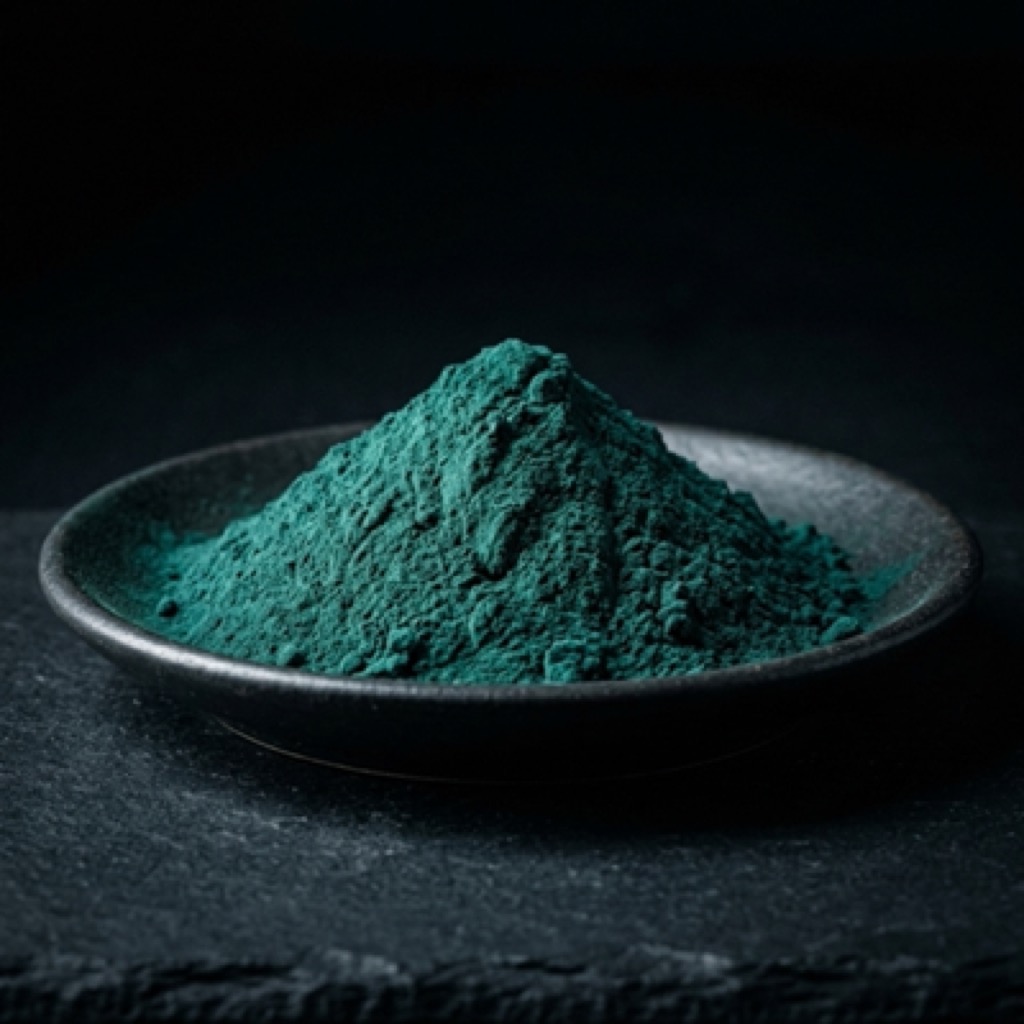
Phycocyanin: The Biological Magnet
Spirulina is a blue-green algae that contains a unique pigment-protein complex called phycocyanin. Clinical research has identified phycocyanin as a powerful antioxidant and anti-inflammatory
By binding to these toxins and facilitating their excretion through the kidneys and liver, spirulina reduces the systemic burden of environmental pollutants. This 'cleansing' effect is critic
Immune Modulation & Phagocytic Activity
Beyond detoxification, spirulina is a potent immune modulator. It has been shown to increase the activity of macrophages—the white blood cells responsible for 'eating' and neutralizing pathog
Spirulina acts as a biological vacuum, helping the body clear the cumulative burden of environmental toxins while simultaneously 'arming' the immune system.
The Clinical Mechanics of Detoxification
When examining the implications of phycocyanin detox: spirulina’s role in heavy metal clearance, modern nutritional science reveals a complex interplay between bioactive compounds and cellula
One of the most fascinating aspects of this biological signaling is the concept of hormesis—a biological phenomenon where a beneficial effect results from exposure to low doses of an agent th
Furthermore, the integrity of the gut microbiome plays an indispensable role. The microbiome acts as a secondary organ, processing complex polyphenols and fibers into highly bioavailable meta
Advanced Applications and Synergistic Pairings
To maximize the bioavailability and efficacy of these nutrients, strategic food pairing is essential. For instance, lipid-soluble compounds require the presence of dietary fats for optimal ab
Incorporating these clinical insights into a daily routine does not require a complete overhaul of one's lifestyle. Instead, it involves making intentional, evidence-based choices. By priorit
As we continue to explore the frontiers of nutritional genomics and metabolomics, our understanding of these mechanisms will only deepen. The transition from a generalized dietary approach to
In conclusion, the therapeutic potential of these dietary interventions extends far beyond simple macronutrient balancing. By viewing our diet through the lens of cellular signaling and micro
