Mechanics of Phytochemical Resilience
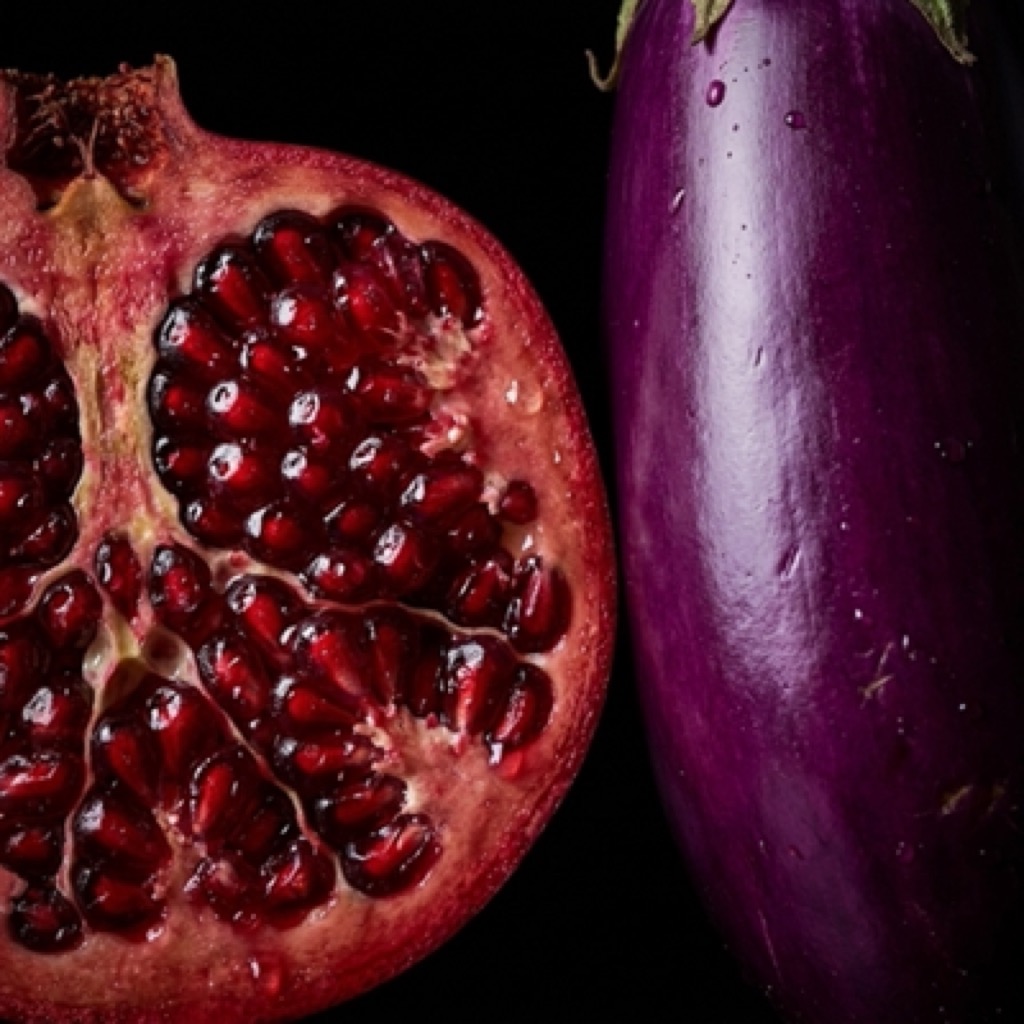
Anthocyanins are a specialized class of flavonoids that provide the deep, vibrant red and purple pigments found in longevity-focused foods like pomegranates and eggplants. While often admired
The secondary metabolites found in these deeply pigmented foods—most notably punicalagins and ellagitannins in pomegranates—act as powerful cellular shields. These compounds have been shown t
The Nitric Oxide Catalyst: Cardiovascular Dynamics
Perhaps the most impactful clinical benefit of anthocyanin-rich nutrition is its influence on endothelial function. The endothelium is the delicate inner lining of the blood vessels, responsi
Nitric oxide acts as a biological signal that tells blood vessels to relax and dilate, a process known as vasodilation. By improving NO bioavailability, anthocyanins help reduce arterial stif
The ability of pomegranate-derived punicalagins to stimulate vasodilation represents one of the most effective non-pharmacological pathways for supporting arterial youth.
Neuroprotection & The Blood-Brain Barrier
Recent neuroscientific research has explored the ability of anthocyanin metabolites to cross the blood-brain barrier. Chronic neuroinflammation is increasingly recognized as a primary driver
Clinical Synthesis: Evidence from the Field
A meta-analysis of clinical trials has confirmed that daily pomegranate ingestion can significantly lower systolic blood pressure while simultaneously reducing circulating markers of LDL oxid
Practical Optimization: Rituals for Protective Ingestion
To achieve the protective levels observed in clinical studies, the timing and form of ingestion are paramount. Pure, cold-pressed pomegranate juice or the whole seeds are preferred over highl