The Biological Engine of Flow
Nitric oxide (NO) is a critical gaseous signaling molecule that dictates the flexibility and health of your entire vascular system. Produced primarily by the endothelial cells lining your art
1. Beetroot: The Nitrate Powerhouse
Beetroot is perhaps the most famous precursor for nitric oxide. It is exceptionally high in inorganic nitrates, which the body converts into NO via the nitrate-nitrite-NO pathway. Clinical re
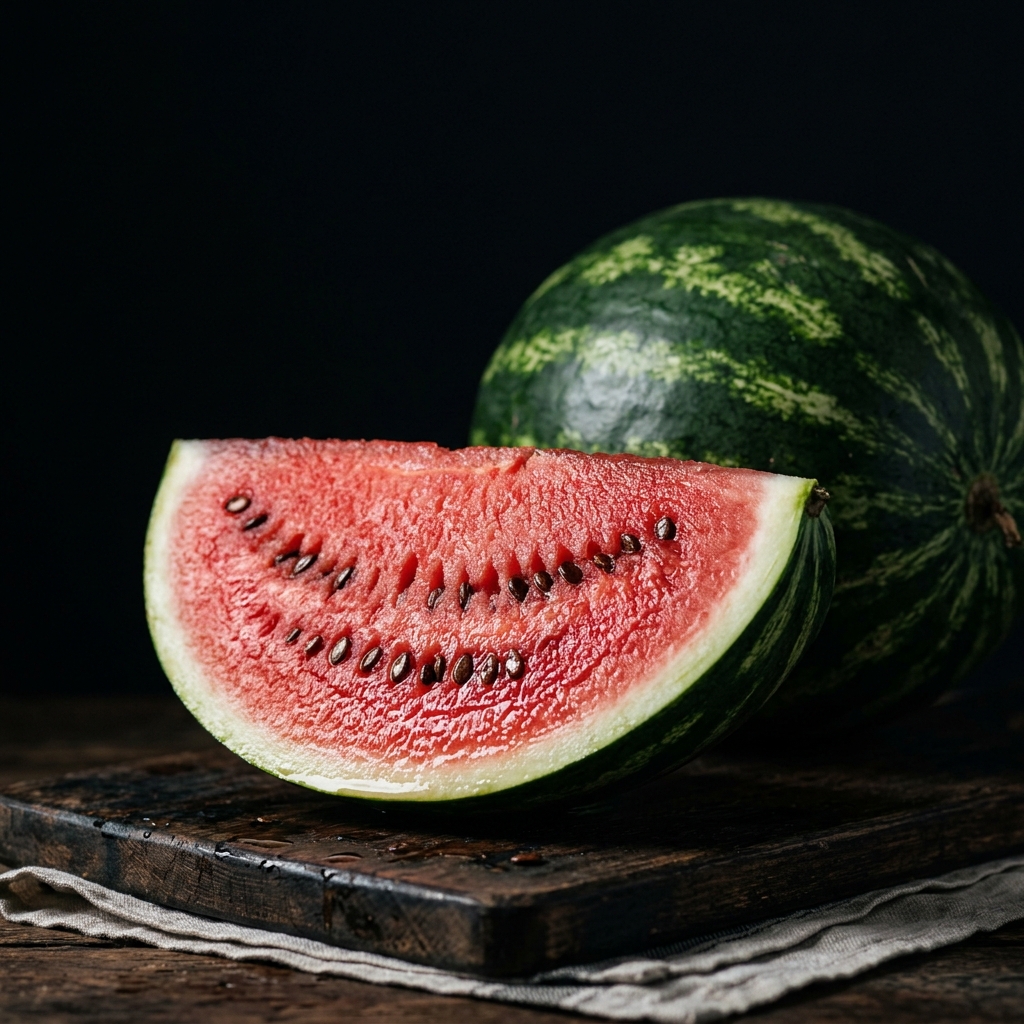
2. Watermelon: The Citrulline Catalyst
Unlike leafy greens that provide nitrates, watermelon offers a rich source of L-citrulline. This amino acid is a precursor to L-arginine, the primary substrate used by the enzyme endothelial
3. Garlic: Activating the Endothelial Engine
Garlic does more than just lower blood pressure; it actively stimulates the production of nitric oxide. Compounds in garlic, specifically allicin and its metabolites, help activate the eNOS e
4. Pomegranate: Protecting the Signal
Pomegranate is unique because it doesn't just help produce nitric oxide; it protects it. The potent polyphenols in pomegranate juice act as high-fidelity antioxidants that prevent NO from bei
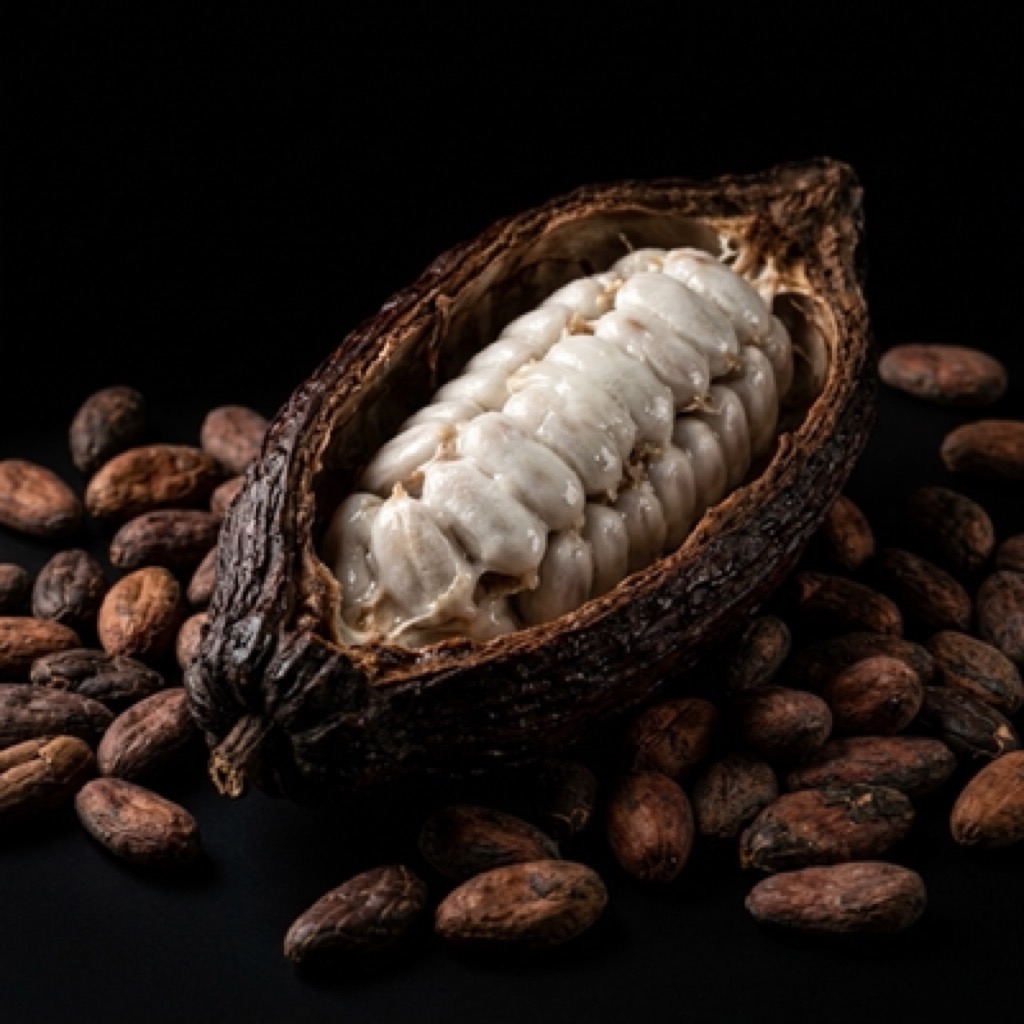
5. Dark Chocolate (Cacao): Flavanol-Driven Dilation
High-purity cacao (85%+) is a dense source of flavanols, particularly epicatechin. These flavanols directly signal the endothelium to increase NO synthesis. Clinical trials (PMID: 22156352) h
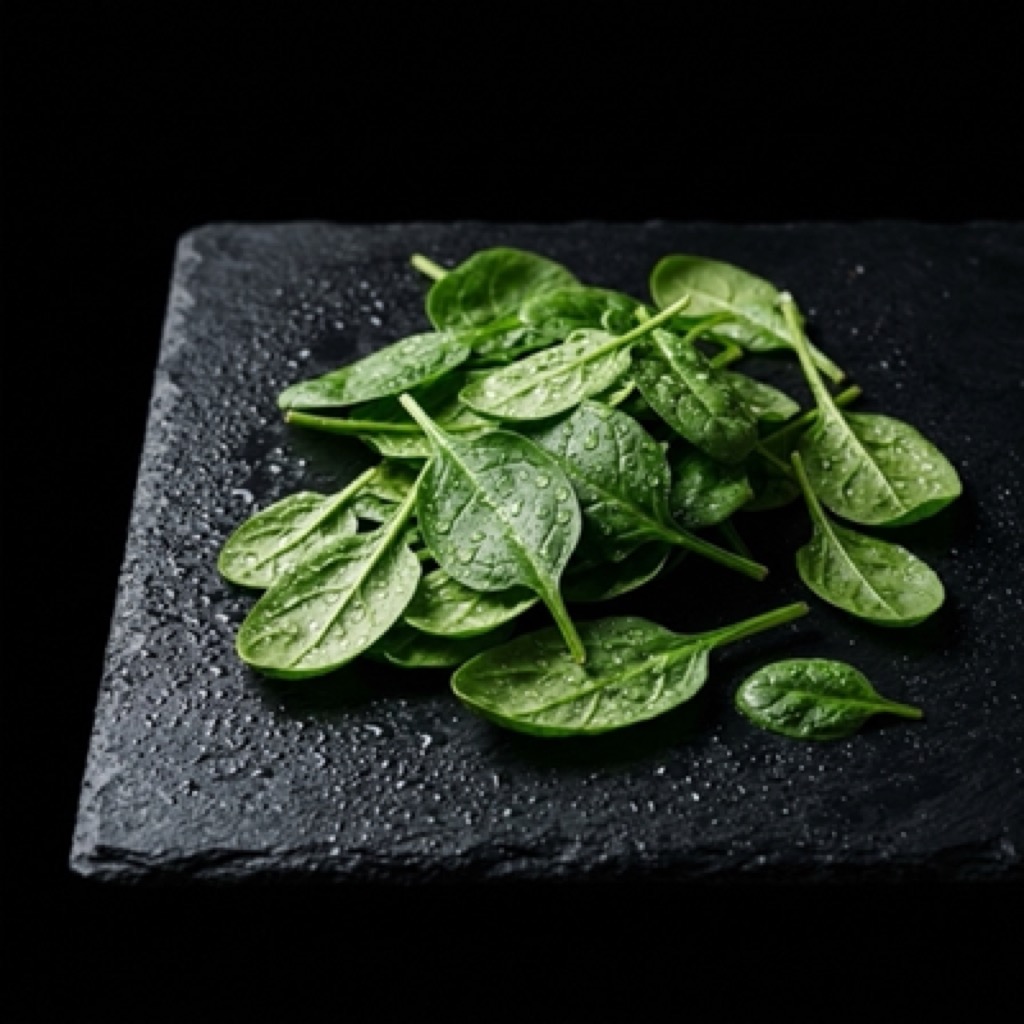
6. Spinach: The Original Nitrate Leaf
Spinach is a cornerstone of the vascular diet. Its high nitrate density provides a consistent supply of precursors for the salivary bacteria that initiate the NO conversion process. Systemati
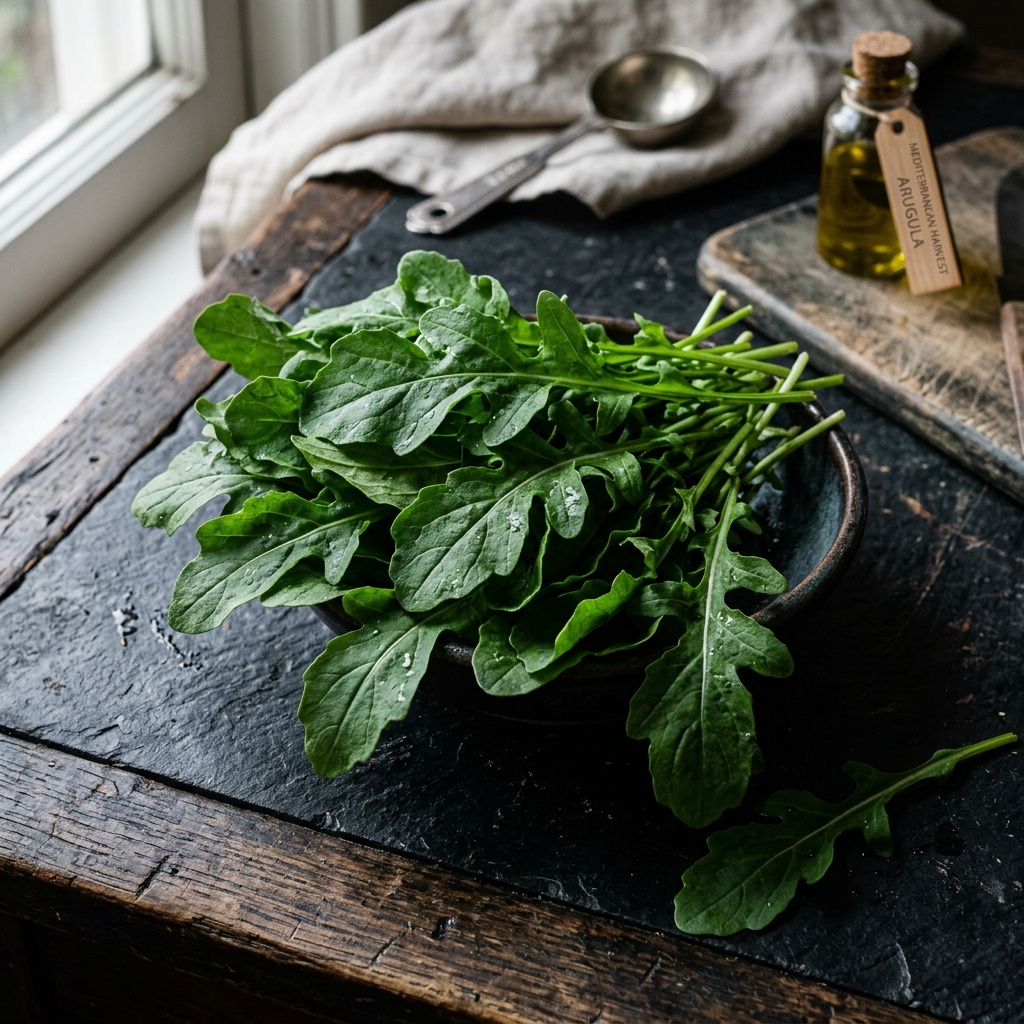
7. Arugula: The Peppery Precursor
Arugula often surpasses spinach in nitrate concentration per gram. Its sharp, peppery bite is a marker of its bioactive density. Maintaining the storage stability of these nitrates is key; fr
8. Kale: Synergistic Vascular Support
While kale is famous for its Vitamin K content, its role in nitric oxide synthesis is driven by its unique combination of nitrates and anti-inflammatory flavonoids. Clinical models (PMID: 227
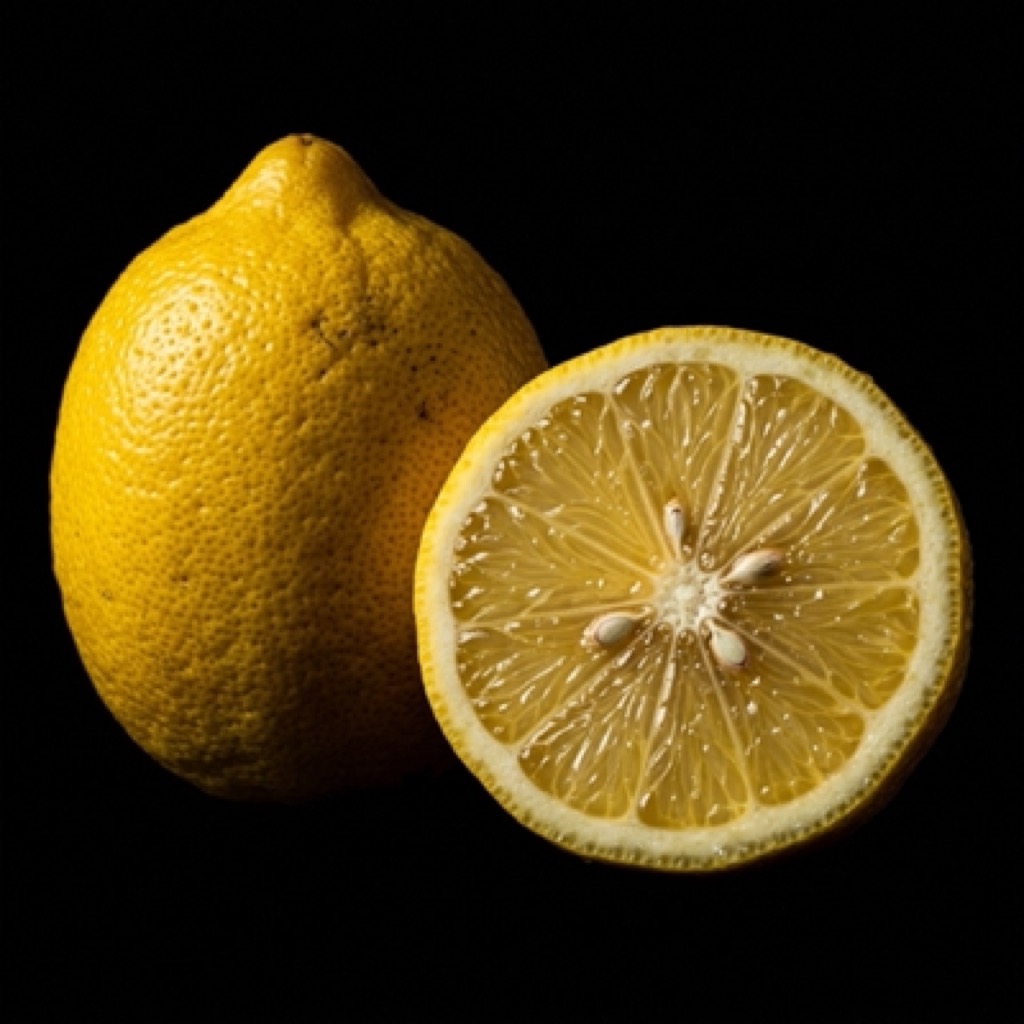
9. Citrus Fruits: Hesperidin Synergy
Citrus fruits like lemons, oranges, and grapefruits contain hesperidin, a bioflavonoid that enhances endothelial function. Hesperidin works by increasing the activity of eNOS, leading to a hi
10. Celery: The Mechanical Relaxant
Celery contains 3-n-butylphthalide (3nB), which works synergistically with nitric oxide to relax the smooth muscles of the arterial walls. By combining nitrates with these specific phthalides
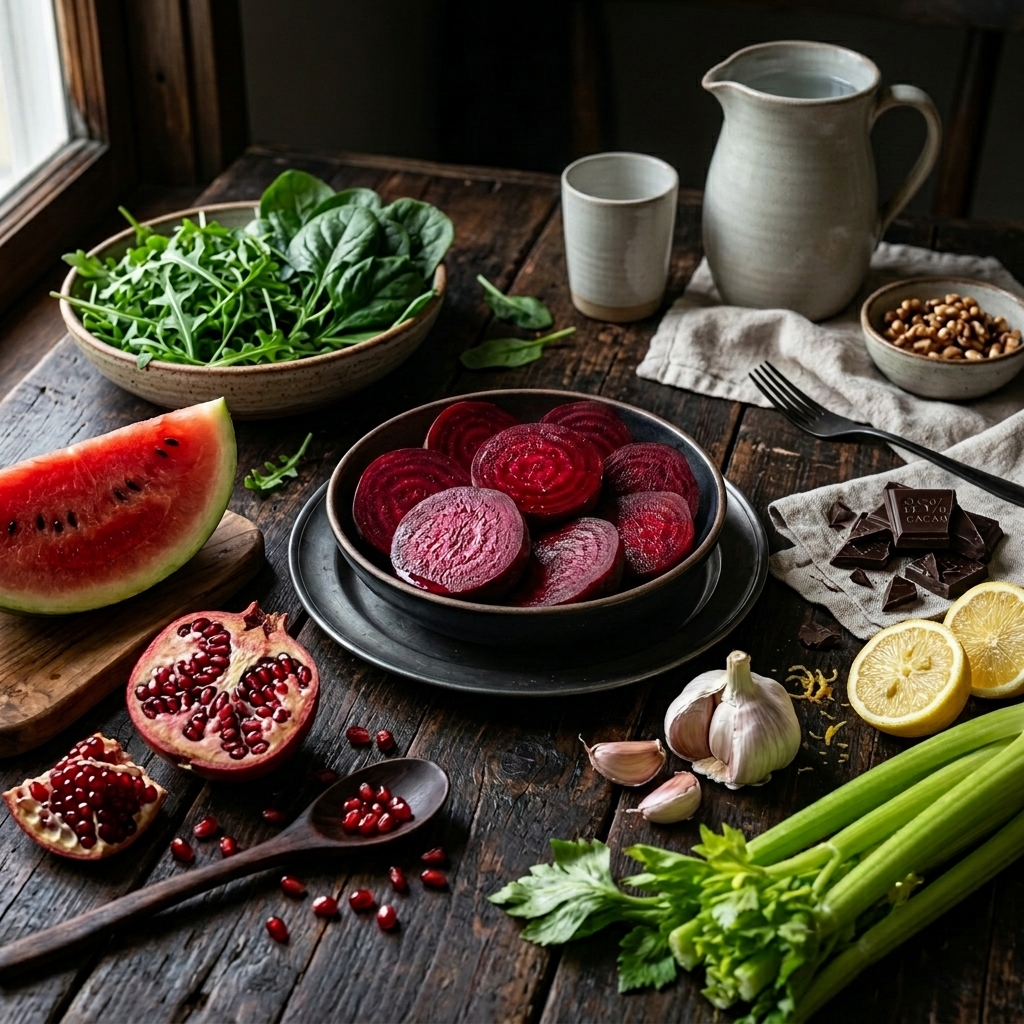
The Nitric Oxide Protocol
To maximize your nitric oxide levels, MyWholeFoods recommends a 'pre-loading' strategy: Consume a nitrate-rich green (like Arugula or Spinach) with a Vitamin C source (like Lemon) to stabiliz